



Who can apply? Researchers, companies and public bodies, when their purpose meets the rules for re-use.
Today, public data sits with many holders.
Each with its own rules, contacts and forms.
Whatever data your project needs, start here.
How about this?
LETZDATA finds the public data you need, gets you access with one application, and gives you a secure place to work with it.
Run by the Ministry for Digitalisation, the CGSD and the CTIE.Each with its own rules, contacts and forms.
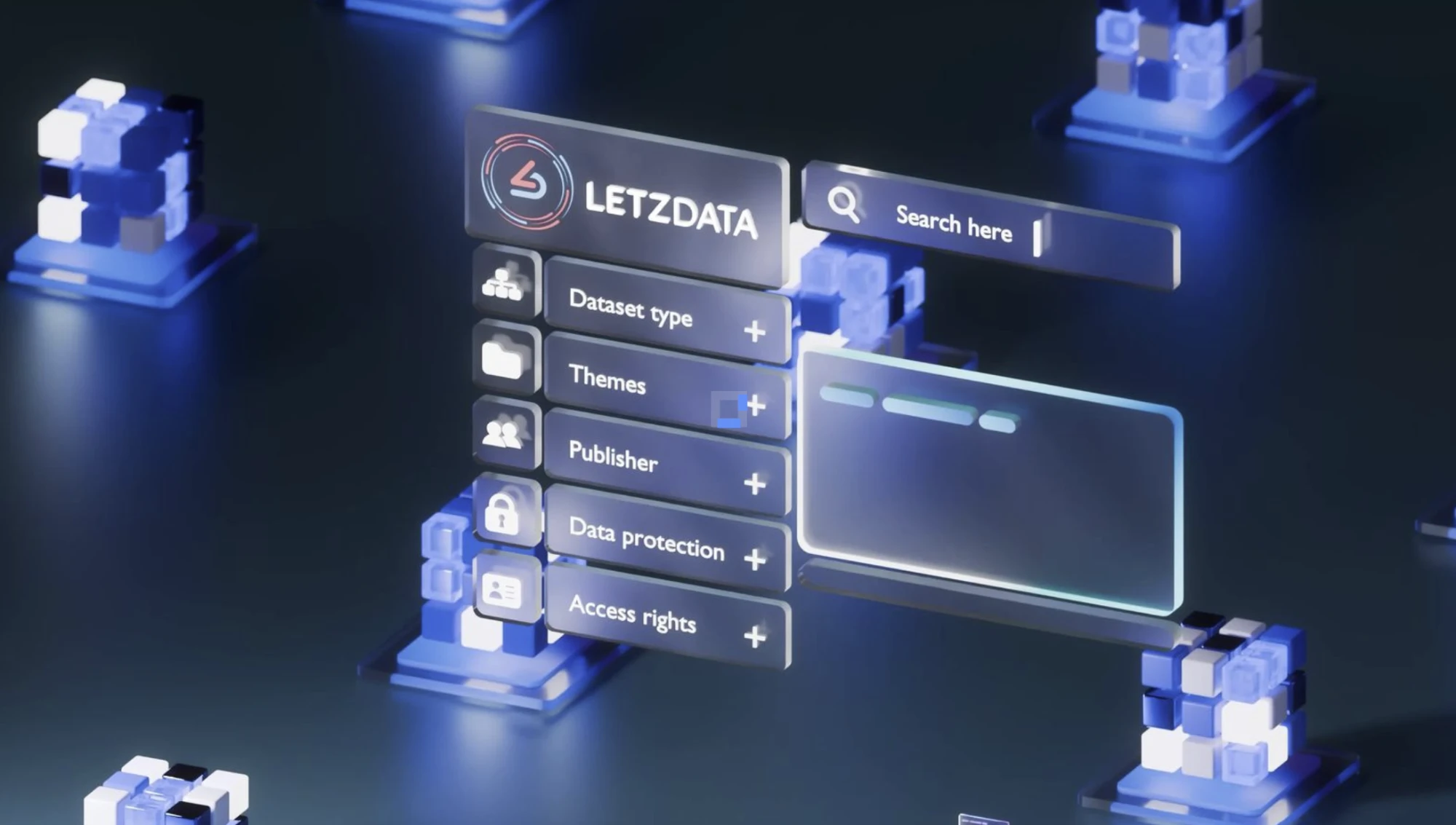
Search the national catalogue, or simply ask. You see who holds the data and whether it is open.
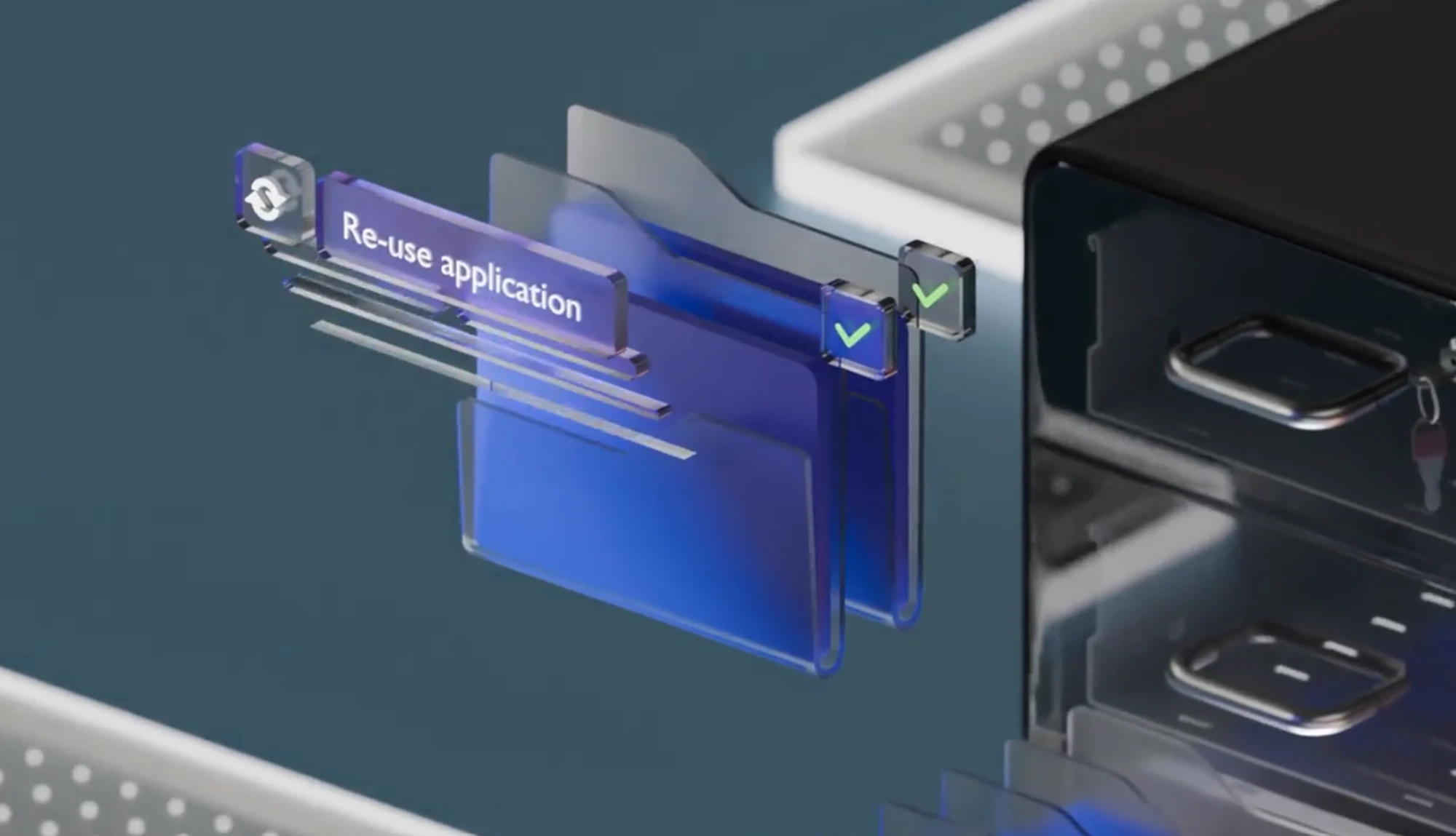
One application for every dataset, even from several holders. One authority decides.
Pseudonymised data in a secure environment. Nothing to install, nothing to sort out.
Fourteen partners help you scope projects, write applications, prepare data and read the results.
Short answers about applying, your privacy and how long it takes.
More about LETZDATA →Researchers, companies and public bodies whose purpose meets the conditions for re-use. The eligibility page explains them.
No. You send one application to LETZDATA, which works with every data holder for you.
No. Data is anonymised, pseudonymised or aggregated, and you work with it inside the Secure Processing Environment.
The Luxembourg Data Authority decides within two months, once the data holders have countersigned.
Yes. Fourteen partners offer 117 expert services, from scoping your project to reading the results.
It is deleted within six months after your authorisation ends.
Yes. Open datasets from data.public.lu appear in your search results, ready to download.
Every dataset Luxembourg's public bodies have listed, in one catalogue. Ask in your own words.
open datasets from 132 publishers on data.public.lu, Luxembourg's open data portal. They show up in your results too.
99 datasets listed by 16 public bodies in the Public Sector Data Catalogue, open or on request. Pick a holder to see all of theirs.
Every publisher on data.public.lu. Pick one to see its datasets and open them here, with their first rows.
Every catalogue entry is described in DCAT-AP-LU, the national metadata standard.
One application for every protected dataset you need, even from several holders. One authority decides within two months.
See the conditions for your organisation and purpose.
Your organisation's business space in MyGuichet.
List every dataset you need, from any holder. Prepare it here, sign it in MyGuichet.
Each holder confirms what can be shared.
The Luxembourg Data Authority decides within two months and publishes it.
Your prepared data waits in the Secure Processing Environment.
Who can apply? Researchers, companies and public bodies, when their purpose meets the rules for re-use.
Work in a secure space. Analyse the data online with ready-made tools. It is deleted six months after your access ends.
Every decision is public. Anyone can see who uses which data, and why.
117 services from 14 partners, sorted by the stage your project is in.
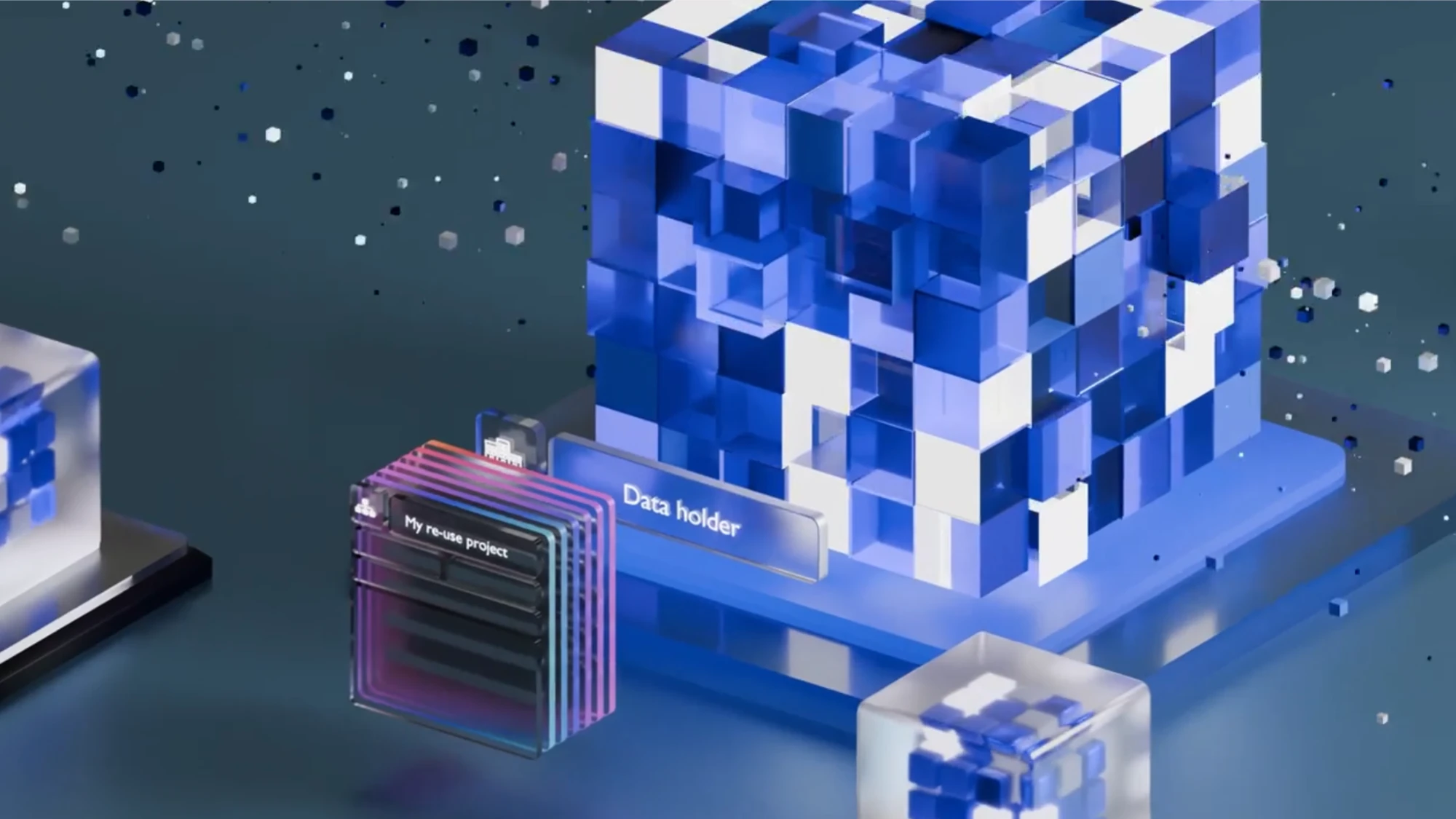
List what you hold once. The Luxembourg Data Authority handles requests, preparation and access.
Describe your data. Say what each dataset holds, using the national standard (DCAT-AP-LU).
Publish it. It appears in the national catalogue, open to all or protected.
We handle the rest. The Data Authority checks requests, prepares the data and gives secure access.
Need help with your data inventory? The Catalogue Foundry brings experts, partners and peers together.
Your AI agent can search LETZDATA, read the rules and draft your application. You check it and submit it.
Add LETZDATA as a connector in your agent, at this address:
/mcpThe same operations as an open API, described in OpenAPI.
/openapi.jsonClean, accessible pages it can read and use, with a guide for agents.
/llms.txtsearch_datasetsFind datasets and who holds them.get_dataset_cardRead a dataset card: contents, limits, citation and what was built with it.get_access_rulesSee whether data is open or needs an application.find_partner_servicesFind expert help for each step.draft_applicationPrepare one application for every holder.application_statusSee where a draft stands.Your agent can draft, never submit. You review the draft here and sign it in MyGuichet. Protected data stays in the secure environment.
Your AI agent’s provider sees what you tell it, so keep personal data out of your requests. The catalogue is real; the application flow is a concept.
The Luxembourg Data Factory, launched in June 2026 by the Ministry for Digitalisation with the CTIE and the CGSD.
One committee in charge. The organisational committee runs the Data Factory day to day. Under it, the Catalogue Foundry helps data holders inventory and catalogue their data, the Foundries turn expertise into solutions, and the sector forums share use cases and good practice.
European law sets the rules. Re-use of protected data follows the Data Governance Act and, for health data, the European Health Data Space, along with the rules for AI regulatory sandboxes. Every dataset is described with DCAT-AP-LU, the national metadata standard.
Short answers about applying, your privacy and how long it takes.
Researchers, companies and public bodies whose purpose meets the conditions for re-use. The eligibility page explains them.
No. Data is anonymised, pseudonymised or aggregated, and you work with it inside the Secure Processing Environment.
The Luxembourg Data Authority decides within two months, once the data holders have countersigned.
It is deleted within six months after your authorisation ends.
Yes. Open datasets from data.public.lu appear in your search results, ready to download.
LETZDATA should work for everyone, whatever their abilities or device.
This site follows the Renow framework and aims for full conformity with RAWeb 1.1 and EN 301 549, as required by the law of 28 May 2019 on the accessibility of public sector websites. This concept has not been audited yet, so it is partially conformant.
Some live results from data.public.lu are only available in French. The animation on the home page is decorative and hidden from screen readers.
If something does not work for you, write to info@cgsd.etat.lu or call +352 247-67700. If you get no satisfactory answer, you can turn to the Ombudsman (médiateur).